Where Creativity Meets Function
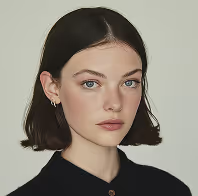
Design Beyond Aesthetics
Design is more than visual appeal—it’s about creating solutions that feel intuitive and purposeful. When aesthetics are guided by intention, they enhance usability rather than distract from it. A strong visual foundation sets the tone for how users perceive, interact with, and trust a brand or product.
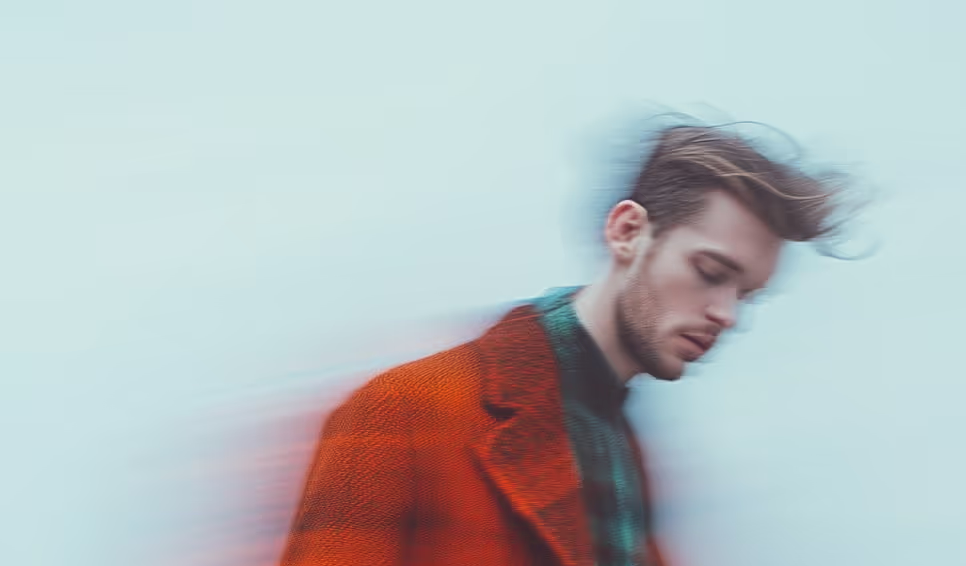
Purpose-Driven Functionality
Functionality gives design its meaning. Every layout, interaction, and element should serve a clear role in guiding users seamlessly through an experience. When function is thoughtfully integrated, users move naturally, engage longer, and connect more deeply with the content or space.
The Balance of Structure and Creativity
True impact comes from balancing structure with creative freedom. Grids, spacing, and hierarchy provide clarity, while color, typography, and motion add personality. This harmony ensures that creativity enhances usability instead of overwhelming it, resulting in designs that are both expressive and effective.
Design That Performs and Endures
When form and function work together, design becomes timeless. Experiences feel effortless, adaptable, and consistent across platforms and devices. This balance not only improves performance but also creates lasting value, allowing brands to grow and evolve without losing clarity or identity.
When form and function align, design becomes effortless and meaningful.
Human-Centered Experiences
At the core of effective design is the human experience. By understanding user behavior, needs, and context, form and function come together to create experiences that feel natural and meaningful. When design is built around people, it not only solves problems but also builds emotional connection and long-term engagement.